What Is Anchor Text in SEO? Examples for Beginners
What Is Anchor Text in SEO? Examples for Beginners
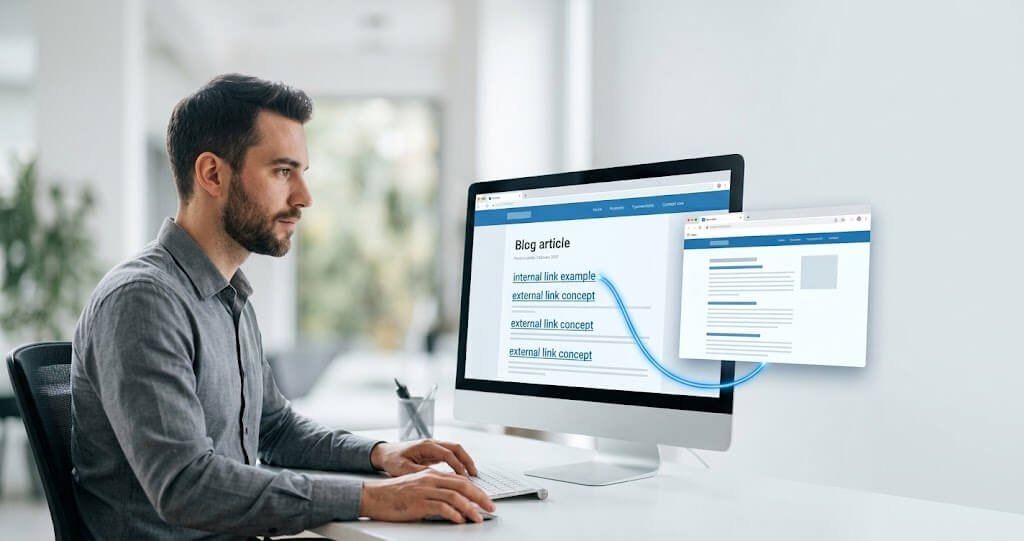
What is anchor text in SEO with example? Anchor text has already been used if you have ever clicked on a link in a blog post. The words that are clickable lead you to another website or another section of the webpage you are on. These words will guide readers to the information they can expect to discover upon clicking. They also provide the search engines with valuable information about the linked page. In this guide we're going to examine several different kinds of anchor text some actual examples and how to utilize links naturally in SEO content and guest post backlinks.
What Is Anchor Text in SEO?
Anchor text is what people click on when they are hyperlinking. It is common in blog posts guides product pages and many other website content forms. It's usually displayed in a different color or underlined so you'll know it when you see it. But its look may differ from site to site due to the design of the web page.
An easy one is: “Check our SEO link building guide.” The anchor text in this sentence is SEO link building. The phrase can give the reader a hint of what the linked page is all about without even visiting the linked page. This will make the link more understandable and will assist users in determining whether the information is relevant to them.
Other words you might see are “guest posting services” that lead to a page that offers guest posting services. Similarly “SEO content writing” can be translated into a page about “content writing services”. The examples below demonstrate how a small number of descriptive words when used correctly can facilitate navigation. For example if you use 'SEO link building guide' as the clickable text it will indicate to the reader what to find on that page – namely link building strategies.
Why is anchor text relevant for SEO?
Consider the purpose of the links as you are reading an article. The words you use to tell users what to expect on the page you're sending them to will make them more likely to click. Anchor text makes this easier and helps readers to flow from one topic to another without having to deduce where the link will lead them.
Anchor text can also provide search engines with context about the page that it is linking to. The language used and the content around it can be useful to understanding the relationship between two pages. This is one of the reasons descriptive links are beneficial for website users and SEO.
However it's not a guarantee of higher rankings to use a specific anchor text. Search engines take many factors into consideration among them the relevance of the pages content the quality of links and usefulness of a page to a visitor. Links are to be added to make it easier for readers to follow but not to simply repeat keywords and/or to influence search results.
A link with a text like "beginner's SEO guide" will let readers know what they will be going to when they click the link whereas "click here" won't. The words should be the same words from the actual page and should not guarantee information that's not there. Providing links that are contextually appropriate and well-labeled can help make an article more user-friendly and enhance the reading experience.
How many different types of anchor text are there?
Some links have different wording. Some use a target keyword others might use a brand name or just a website address. This will depend on the content the page you want to link to and what visitors need to know before clicking. There are a number of common anchor text types and examples of each.
1. Exact Match Anchor Text
Exact-match anchor text is when the text that links to a page is identical to the main keywords that are being targeted. For instance “anchor text best practices” might be connected to an article that discusses this.
This type clarifies the topic of the link if the phrase would be a part of the sentence. But if you start overusing the same keywords patterns or phrases in all the backlinks then the link profile may appear unnatural. You don't have to try and make a match for each link. Use it when suitable for the reader and it accurately describes the destination.
2. Partial Match Anchor Text
Partial-match anchor text contains the targeted keyword plus other words that are related to it. For instance a link to a detailed SEO guide from "learn about anchor text best practice."
The additional words will help provide context and to help the link flow more fluidly in a sentence. This can be a helpful choice in cases where an exact phrase doesn't sound right. Again ensure that the text corresponds to the text on the page you're linking to.
3. Branded Anchor Text
Brand anchor text is the name of a brand a website or a product. For instance the word “Viralscop” may be connected to the Viralscop website.
This kind of anchor text assists readers to tell the brand of a resource. It can be helpful in an article when discussing a company quoting a source or in a guest article referring to a business in general. Verify that the destination matches the brand or is directly related to the brand's name before adding the link.
4. Generic Anchor Text
Vanilla anchor text includes keywords like ‘read more’ or ‘click here'. These are expressions of common usage but without context they convey little information about the destination to the reader.
If the surrounding sentence provides a description of the link they can still work. For instance if a sentence makes it clear that it is introducing a related guide “read more” can be understood. If context is not readily provided it is generally better to use a descriptive phrase as it will give the reader an idea of what to expect before clicking.
5. Naked URL Anchor Text
A naked URL is when the web address is used as the clickable text. For instance viralscop.com is connected directly to the Viralscop website.
This can be helpful in providing addresses for Web sites or a source that the readers might want to check out. Within a standard paragraph however a descriptive phrase might be a better match for the paragraph. Select the format appropriate to the situation and to facilitate the understanding of the link by readers.
6. Descriptive Anchor Text
The anchor text in a link provides the reader with a description of the page to which they are being directed. For instance if you click on the keyword "check guest posting site quality" you might end up on a page that gives you information on how to assess websites.
This wording allows readers to have a better understanding of what they will encounter when they click it. It can also help in making navigation easier particularly if the article has multiple links to various resources. In many cases descriptive anchor text is a good option to choose as it will convey the meaning of the link to the reader without using general phrases.
When selecting anchor text for links you must keep the following things in mind:
Anchor text should be meaningful and accurately describe the page it is linked to. It should sound like a natural part of the explanation rather than a keyword in it for SEO purposes. A quick way to know is to read it out loud! If the sentence does not flow naturally with the link reword it.
For instance if you say the phrase “best guest posting websites” more than once in an article it might seem forced. A line like “How to locate appropriate guest blogging opportunities” may be more suitable if you are linking to a website that contains information on how to find websites. It depends on the content of the linked page and your point.
Prior to publishing ask yourself three questions: Does the wording make sense in this sentence? Is it a true representation of the place? Will readers see the value of the link? If yes for each of the three is the answer the anchor text probably performs its function.
You don't have to specify an exact-match keyword each time you add a link. Clarity of words and appropriate destinations are more important than repetition of the same. Try to provide the reader with useful information and make the article easy to read.
When it comes to anchor text for SEO there are several best practices to keep in mind.
Remember to consider if links are adding value to an article when you add them. Well-chosen anchor text helps to clarify a link and determine whether or not it's worth clicking on. Here are some easy tips on how to link more effectively in blog posts service pages and guest articles.
- Use descriptive language: Use words that will inform the reader what they will see when clicking on the link.
- Make links relevant: The destination must be related to the topic being discussed.
- Don't keyword stuff: Overusing the exact-match phrase will result in unnatural sounding content.
- Don't overstuff anchor text: Make sure the anchor text isn't too long but make sure it explains the link.
- Add links to helpful pages: Select pages that provide information and/or answers questions.
- Test each link: ensure that the link is functional and leads to the correct page.
These practices can help your content to be easier to read and better to navigate. There is no one anchor text ratio that you must adhere to for each website. Rather examine each link separately and determine if the content is applicable understandable and helpful.
Do not stuff a target keyword into every paragraph. A link should be meaningful in the context of the reading and enable readers to locate information consistent with the reading. If the words come out forced select a simpler phrase to describe the destination.
How anchor text works in guest post backlinks.
A guest post backlink is a backlink that you get when you publish a post on another blog. The text of that link should be used to convey to readers why the linked resource might be helpful. For instance if you have an article in the marketing section you can include a link to a guide on SEO link building when talking about improving your website's visibility.
If you're doing guest posts strive to submit valuable content to sites that fit the topic. Don't use a repetitive keyword-rich anchor text for all backlinks. Don't use the same phrases over and over or your link profile will look like a spam profile and the wording of the phrases will not match the text of the article.
Instead select anchor text that relates to the content and is intelligible to your reader. When referring to a company a branded phrase might be successful but if you're describing the resource being connected to a descriptive phrase can be effective. It should not be a requirement to include a specific keyword but rather it should be selected based on the content of the article and the destination.
For instance a post on a website evaluation could have “guest posting site quality” linking to a site quality guide. If the linked page actually discusses that topic that phrase is suitable. The primary aim of the backlink should be to offer valuable info not merely to impact search positions.
Here are some tips for enhancing internal link anchor text.
Internal links are links between various pages of your site. They assist visitors find related articles and other information without searching for it. internal links can also boost your chances of being found by search engines and make it easier for them to figure out how your topics and pages are related to each other.
Use language that indicates to the reader what is on the next page. In one instance the article on anchor text might include a link to a page explaining how to check guest posting site quality: checking guest posting site quality. This phrase gives readers a clear idea of what they will learn if they follow the link.
The same can be done if you're interested in linking articles with similar content related to guest posting outreach and link building. Seek out areas in which another page would be truly helpful to the discussion. A good link can give background information or enable a reader to delve deeper into a topic.
Don't just stuff internal links into your site without any reason. The links must be clear and meaningful and must point to relevant pages. When the anchor text really does describe where the link is going and is used naturally in the sentence it's very likely to offer a great user experience.
Here are some common anchor text pitfalls to be aware of:
Links that aren't clearly worded or don't match the link's destination may lose value. Take a couple minutes to check the links in context before you publish an article. Here are some potential pitfalls to avoid:
- Overusing an exact-match keyword phrase can make your content appear redundant.
- Misleading readers: The link should provide the information that is referenced in the anchor text.
- Ignoring relevance: There should be a clear connection between the link and the surrounding topic.
- Overusing generic phrases: Without context “click here” doesn't provide a clear idea of where it leads.
- Build links only for ranking purposes: Links must be valuable to the reader not just for the purpose of ranking.
No need to modify all the links in an already published article. Begin with those that are confusing misleading or not discussed. A link can be made more transparent by making a minor change without altering the remainder of the paragraph.
While looking at your content keep in mind the relevance and readability of the content rather than stuffing in the keywords wherever you can. The most effective changes are those that make readers understand the connection and navigate the page easily.
Frequently Asked Questions
Does the anchor text help you directly to get better rankings?
Not on its own. Anchor texts won't necessarily help you rank. Several factors are taken into consideration such as quality of the content relevance of the page quality of the links and the usefulness of the page for search engines. Having a clear and relevant anchor text can be useful but it's not all of SEO.
Is it preferable to have all backlinks with the same keyword or term?
No because if you put the same exact-match keyword on all backlinks it may look unnatural and look like spam. Use the words for the article and accurately describe the linked page. Anchored text that is branded partial match or descriptive can all be appropriate depending on the context.
What is the best anchor text for internal links?
Descriptive anchor text is a good option as it lets the readers know what to expect from the link page. For instance “learn how to evaluate guest posting websites” conveys a better idea of where the destination is compared to “click here.” The best wording is the one that is most appropriate for the sentence and will assist the reader in locating information of interest.
What Is Anchor Text in SEO With an Example?
The words in a hyperlink that are meant to be clicked are referred to as anchor text. For instance when you have "Read our guide to SEO link building" the anchor is the text "SEO link building." They help readers understand what they will learn on the page before even opening the link.
In conclusion it is crucial to maintain a natural and clear anchor text that is relevant to the page's content.
Although anchor text might sound like a small insignificant aspect of an article it can actually guide readers and help them navigate for more information. If the wording on the page is the same as that of the linked page it is easier to navigate and readers know what to expect.
Instead of using the same keyword for each link remember to focus on relevance for your SEO strategies. Describe as much as possible use brand words as needed and don't use links that seem forced or misleading.
When you are inserting links within your content or creating backlinks via guest posts think of your reader. Select meaningful links and link targets; be sure to screen your content before publishing. These are easy-to-implement practices that you can use for a more natural linking for reader and search engine.
About the Author
Zahid Hussain is an SEO expert and has a proven track record in guest posting link building and content writing. He is able to boost businesses' online presence by providing them with relevant backlinks valuable content and effective SEO strategies.
Follow Zahid Hussain:
- Portfolio: https://sites.google.com/view/zahid-hussain-seo/
- Email: info@viralscop.com
- LinkedIn: https://www.linkedin.com/in/zahidworldranker/
- Facebook: https://www.facebook.com/share/1AhNofMZ8c/
Comments (0)
Be the first to comment.